

virtual vs physical bodies

In a recent project I discussed the distinctions between virtual and physical bodies (specifically for women) and thought I’d share a super brief version of this with you! Please feel free to share your opinions on this with me in the comments :)
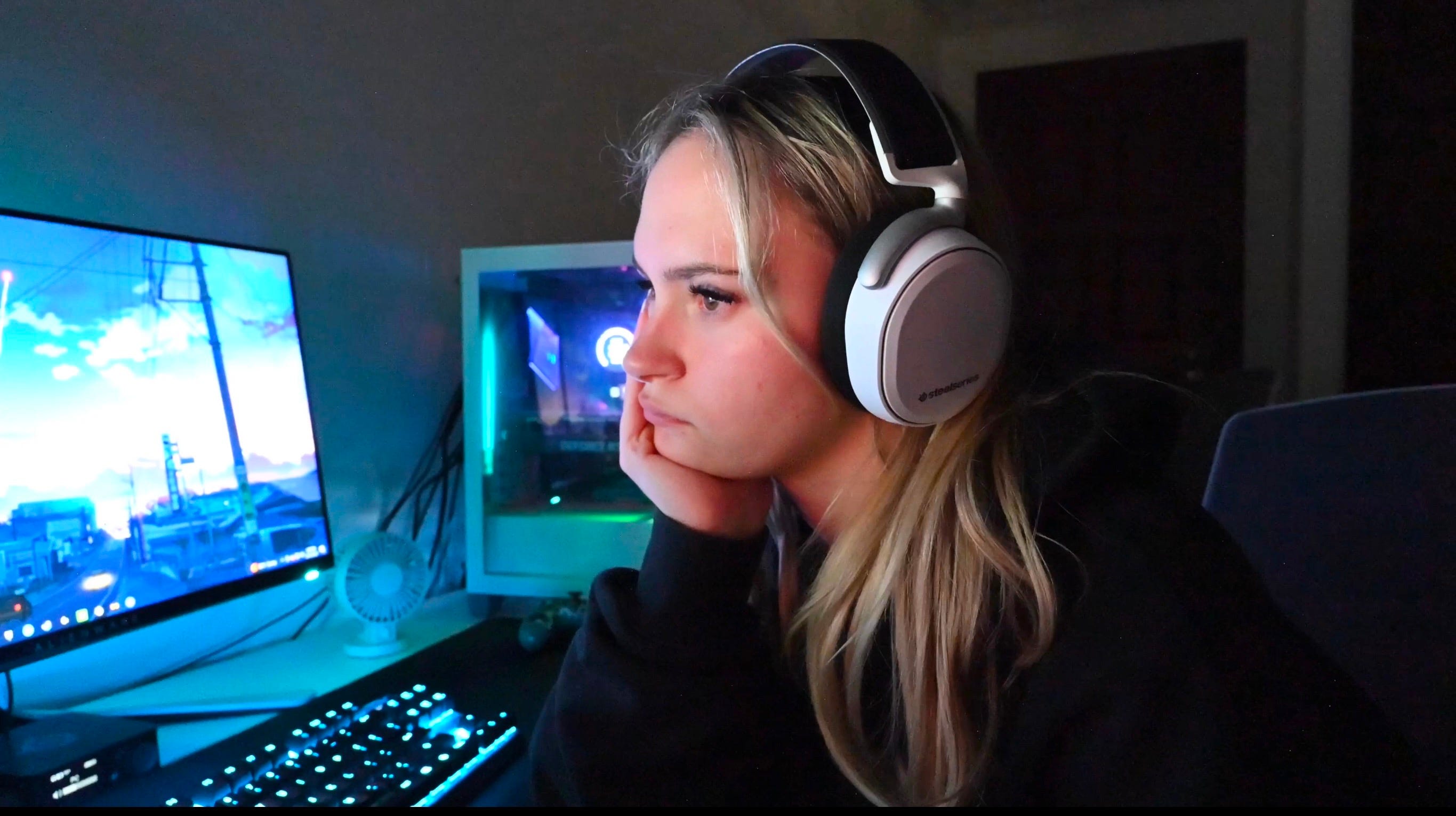
The distinctions between virtual and physical bodies seem to not exist. At first glance it may seem as though we as users have autonomy over what we post, share, interact with and appear as. We do not. Beyond the addictive algorithmic nature of the virtual world, our bodies seem to be governed often more so online than offline lately. With AI becoming increasingly disturbing and the overall policing of the internet being practically non-existent, the virtual world has become quite unsafe. AI companies such as Grok have shown serious biases and disturbing content both being searched and produced, which are genuinely frightening as a woman in the online space and the world as a whole.
Turning away from the digital world is not possible. So what now?
Early cyberfeminist theorist Donna Haraway, discusses the virtual space for women in her Cyborg Manifesto, mentioning how the virtual body is a site of liberation for women and celebrates the distinction between the virtual and physical body; as if predicting a future space for women to escape restriction and control. This, unfortunately, is not the case. Once a world of customisation and recreation of identities for us to play with, has altered into constant advertisements, increased realism of characters and avatars to choose from or certain types of people presented on our socials - which ultimately removes any separation between the self and the digital self; resulting in perpetuating insecurities due to a lack of representation and in turn fuels control over all versions of the body.
Although we do seem to see real life representations of the body and the self through social media, often they fall victim of the algorithm and do not seem to perform as well as those we are shown time and time again, thus creating a space whereby a glimpse of the self may be seen and soon enough taken away again. Much like within video games, which my project did focus heavily on. Within GTA, the female avatars are presented as burdens or sexual objects, with detailed naked graphics created for the game yet no real development or plot or even space for a female facing player to identify with the self. Some may argue that it’s not that deep or it’s just a game - but when a game is played continuously by real people then their subconscious can turn the virtual worlds morals and experiences into the physical without even fully realising it.
I actually did some ‘gameplay’ of sorts for this project across several games and really focused in on how, as a female player myself, I’d respond to the limited options available to choose from. I did find that the more abstract the avatars and separate from myself the more interesting and enjoyable the games were in an odd way. I am not a gamer though, so perhaps this is a weak argument as I was purposefully searching for my own reaction to the games and bodies vs other actual gamers who may not care or be phased by this as much? I did however, feel a lot of rage towards the game designers of these worlds as the misogyny was not even discrete.
Female bodies have been scrutinised and regulated since, well…maybe forever. It feels as if it’s suddenly getting worse again. Or am I being too pessimistic? I do like to search for the positives in life and all but I cannot ignore the current state of the world nor the virtual one. Laws removing rights and a lack thereof laws online create more opportunity for chaos quite honestly. The lack of policing over the AI platforms popping up everywhere from image generators to companions or even money advisors (literal bots managing your finances - that doesn’t sound right does it?) And let’s not forget the AI bots posing as real people online posting content, to the point where people cannot decipher if it is real or fake - terrifying!!
It’s a race to control the artificial intelligence at the end of the day, and in the wrong hands (are there any right hands?) it can in turn control us. And our bodies, our identities. As women, already at a historical disadvantage - with language models learning from the history of the internet it holds inherent biases not limited to race or gender. Trained on learned behaviours which are largely wrong, that doesn’t seem fair does it?
So when the virtual space and body becomes a ‘site of struggle’ (as Legacy Russel mentions in her Glitch Feminism manifesto) where do we go? Do we resist this and how? Or do we return to the physical self and physical body, perhaps creating the distinction for ourselves. Subverting the two worlds and reclaiming the body and self. One thing is for certain, the future of technology should not be programmed by the biases of the past.
More on this to come but for now…
*I will add to this essay soon. But I thought I’d share a little for now & also cannot go too in depth as I wrote a long academic style essay on this for uni and have to wait before I can share that. But if you care for a more in depth version with lots of citations and evidence maybe I can share it at later date with you!
this is such an interesting and important piece!! thank you for sharing issy - i'd love to read the full piece if you're able to share later on <33
Can't wait for the full version to drop! It's interesting to note the lack of Main Characters that are women in games. The narratives told and the way the women are perceived is quite... interesting. I like how you noted - people turn to the virtual world to escape reality - but what happens when reality is the escape from the virtual world?